Left Injured and Abandoned: Understanding Your Options After a Hit-and-Run
When a driver flees the scene after causing your accident, you’re left with injuries, mounting medical bills, and countless questions about who will pay for your recovery. Hit-and-run accidents create unique challenges for victims in Virginia, leaving them to navigate a complex system of insurance claims and legal requirements while trying to heal. As medical expenses pile up—from emergency services to ongoing therapy—understanding your financial options becomes critical. With proper knowledge and guidance, you can pursue the compensation you deserve, even when the responsible driver has disappeared without a trace.
Don’t let the complexities of a hit-and-run accident leave you in the lurch. Reach out to Altizer Law for the guidance you need to navigate your insurance claims and secure the compensation you deserve. Give us a call at 540.345.2000 or contact us today to take the first step toward resolving your medical bills.
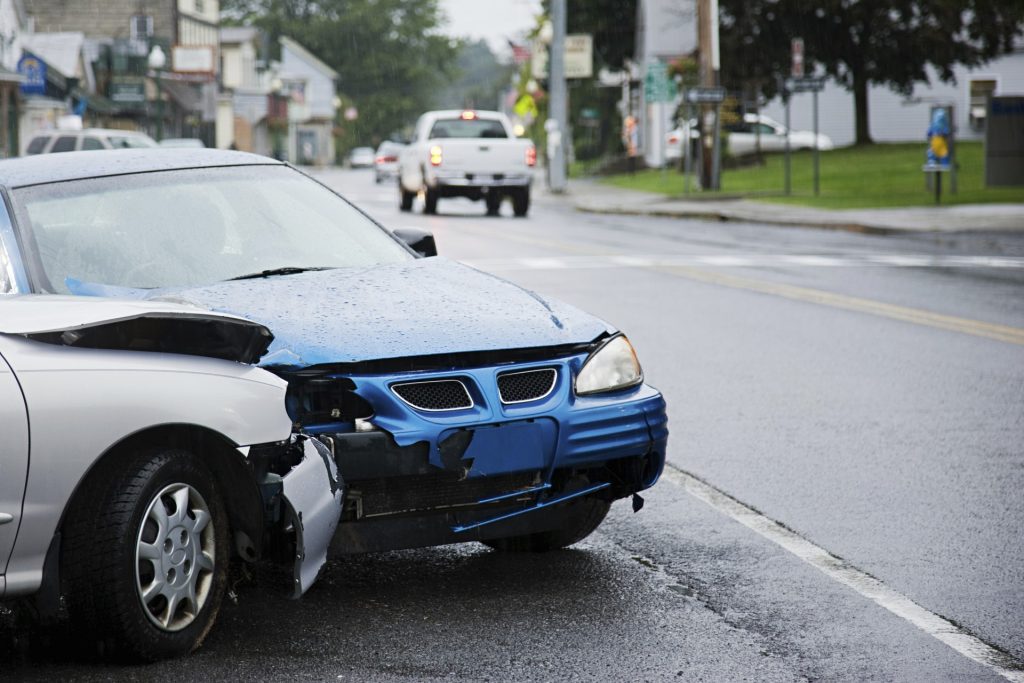
Understanding Virginia’s Hit-and-Run Laws and Your Right to Compensation
In Virginia, hit-and-run accidents occur when a driver involved in a collision leaves the scene without providing identifying information or rendering necessary assistance to injured parties. This isn’t just morally wrong—it’s a serious criminal offense under Virginia law. When you’re the victim of such an incident, you still have legal rights to pursue compensation for your medical expenses, even without the at-fault driver’s information.
Virginia’s insurance system creates several potential avenues for covering your medical bills. The most critical factor in protecting these rights is understanding how hit-and-run drivers are classified for insurance purposes. When a driver flees the scene, they’re typically considered an uninsured motorist for an insurance claim. This classification is vital because it allows you to pursue coverage through your uninsured motorist protection, rather than being entirely left without recourse.
The Step-by-Step Process for Covering Medical Bills After a Hit-and-Run
After a hit-and-run accident, taking the right steps in the proper order can significantly impact your ability to get your medical bills paid. Knowing what to do after a hit-and-run is essential. Understanding the expected timeline also helps you avoid common pitfalls and delays in receiving compensation. Many victims make the mistake of waiting too long to report the accident or failing to document their injuries properly, which can jeopardize their claim. Following these crucial steps will strengthen your position when seeking payment for your medical expenses:
-
Report the accident immediately to both the police and your insurance company—in Virginia, hit-and-run accidents must be reported within 24 hours to maintain eligibility for certain coverages.
-
Seek medical attention promptly, even for injuries that seem minor.
-
Gather evidence at the scene, including photos of vehicle damage, the accident location, and any physical contact between vehicles—some Virginia insurance policies require proof of physical contact for hit-and-run uninsured motorist claims.
-
Document all medical treatments and keep detailed records of expenses, including prescriptions, mileage to medical appointments, and costs of medical devices or therapy.
-
File your uninsured motorist claim with your insurance provider, being careful to include all required documentation and evidence.
-
Consult with a hit-and-run lawyer before accepting any settlement offers, as insurance companies often initially offer less than the full value of your claim.
How Altizer Law Helps Hit-and-Run Victims Secure Payment for Medical Bills
Resolving medical bills requires a thorough understanding of Virginia insurance law, persistent advocacy, and understanding your rights after a hit-and-run accident. At Altizer Law, we’ve guided countless hit-and-run victims through this challenging process, ensuring they receive the maximum compensation available for their medical expenses. When we handle your case, we don’t just file paperwork—we investigate all potential sources of coverage, negotiate directly with medical providers when necessary, and challenge insurance companies that attempt to deny or minimize legitimate claims.
Insurance adjusters handle hit-and-run claims differently than standard accident claims, often applying additional scrutiny and looking for reasons to deny coverage. Our firm understands these tactics and counteracts them with comprehensive evidence and legal arguments based on Virginia insurance regulations, ensuring your medical bills receive the attention and payment they deserve.
Your Uninsured Motorist Coverage: The Primary Source
When facing medical bills after a hit-and-run accident, your uninsured motorist (UM) coverage typically becomes the primary resource for payment. Virginia law requires all auto insurance policies to include uninsured motorist coverage at the same limits as your liability coverage unless rejected explicitly in writing. This coverage exists precisely for situations like hit-and-run accidents, where the responsible party cannot be identified or located.
Understanding how insurance coverage for hit-and-run accidents works can make the difference between having your medical bills paid and facing financial hardship after an accident. Uninsured motorist coverage generally includes both bodily injury protection (for medical expenses, pain and suffering) and property damage protection (for vehicle repairs). However, the specifics can vary between policies and insurance providers.
The Physical Contact Requirement: A Critical Detail in Hit-and-Run Claims
A significant hurdle in some hit-and-run claims is the physical contact requirement that many insurance policies include. This provision requires evidence that actual physical contact occurred between your vehicle and the hit-and-run driver’s vehicle for coverage to apply. Without this evidence, your claim might be denied even if you have uninsured motorist coverage.
Virginia courts have generally upheld these provisions, making it essential to document any evidence of contact at the accident scene. We’ve seen many cases where insurance companies denied legitimate claims because the victim couldn’t prove physical contact occurred, despite clear evidence that another driver caused the accident. If your policy contains this requirement, gathering and preserving evidence becomes even more critical to securing payment for your medical bills.
Beyond Uninsured Motorist Coverage: Alternative Sources for Medical Bill Payment
While uninsured motorist coverage is the primary resource for hit-and-run victims, it’s not always sufficient to cover all medical expenses, especially in severe injury cases. Understanding alternative payment sources can help ensure all your medical needs are addressed without creating financial hardship. These secondary sources can work in conjunction with your uninsured motorist claim to provide more comprehensive coverage. In Virginia, these alternative options become particularly important when your uninsured motorist coverage limits are exceeded or when certain expenses aren’t covered under your auto insurance policy.
Health Insurance Coordination and Subrogation Rights
Your health insurance can serve as an essential safety net for medical bills after a hit-and-run accident. When your health insurance covers accident-related medical expenses, it typically does so with the understanding that they have a right to reimbursement (known as subrogation) if you later receive compensation from another source.
This means that if your health insurance provider initially covers your medical expenses, they may seek reimbursement from any settlement you receive through your uninsured motorist claim. It’s crucial to understand that your auto insurance has primary responsibility for covering accident-related medical costs, with health insurance serving as a secondary payer. Proper coordination between these coverage sources can help prevent payment delays and billing complications while ensuring all your medical needs are addressed promptly.
Comprehensive Documentation: The Key to Maximizing Medical Bill Coverage
Successfully securing payment for all your medical bills after a hit-and-run accident depends largely on thorough documentation. Insurance companies require substantial evidence to process claims, especially for hit-and-run accidents where liability determination is more complex. Your documentation serves as the foundation for your entire claim and directly impacts the amount of compensation you receive.
Medical expenses in injury claims extend far beyond just hospital bills. They can include costs of treatment, prescriptions, mileage traveling to doctor’s appointments, medical devices, therapy appointments, and similar costs associated with the accident, as well as future medical treatment costs if reasonably ascertainable.
Future Medical Expenses: Ensuring Long-Term Care Is Covered
Some hit-and-run accidents result in injuries requiring ongoing or future medical treatment. Securing compensation for these anticipated expenses requires medical documentation and testimony to establish the necessity and estimated costs of future care. Virginia law allows for recovery of future medical expenses when they can be proven with reasonable certainty.
This typically requires working with medical professionals who can provide detailed projections of your future treatment needs and their associated costs. Insurance companies often resist paying for future medical expenses, arguing they’re speculative or unnecessary. A skilled Roanoke accident attorney can help overcome these objections by presenting compelling medical evidence and testimony that establishes the necessity and reasonable cost of your future medical needs.
Frequently Asked Questions
-
How long do I have to file a claim for medical bills after a hit-and-run accident in Virginia?
In Virginia, you generally have two years from the date of the accident to file a personal injury lawsuit for medical expenses resulting from a hit-and-run accident. However, you should notify your insurance company about the accident much sooner—typically within days—to comply with your policy requirements. Delaying notification to your insurance company could give them grounds to deny your claim entirely, regardless of the statute of limitations for lawsuits. Additionally, evidence gathering is most effective immediately after the accident, so prompt action significantly strengthens your case.
-
Can a Roanoke accident attorney help if my insurance denied my hit-and-run claim?
Yes, a Roanoke accident attorney can often successfully challenge an insurance company’s denial of your hit-and-run claim. Insurance companies may deny claims for various reasons, including lack of physical contact evidence, policy exclusions, or procedural errors in your filing. An experienced attorney can review the denial, identify any improper reasoning, gather additional supporting evidence, and advocate on your behalf through the appeals process. In many cases, simply having legal representation demonstrates to the insurance company that you’re serious about pursuing your rights, which can lead to a reversal of their initial denial.
-
What happens if my medical bills exceed my uninsured motorist coverage limits after a hit-and-run?
If your medical bills exceed your uninsured motorist coverage limits after a hit-and-run accident, several options exist. First, your health insurance can cover the excess medical expenses, though you may seek reimbursement if the at-fault driver is eventually found. Second, if you have medical payments coverage (MedPay) or personal injury protection (PIP) on your auto policy, these can provide additional coverage regardless of fault. Third, if the hit-and-run driver is later identified, you can pursue a personal injury lawsuit against them. Finally, in some cases, other parties might share liability (such as a vehicle manufacturer if a defect contributed to the accident), providing additional avenues for compensation through Virginia auto claims.
-
How are property damage and medical bills handled differently in Virginia hit-and-run cases?
In Virginia, hit-and-run cases, property damage, and medical bills are handled through different coverage types and often with varying standards of proof. For medical bills, your uninsured motorist bodily injury coverage applies, covering medical expenses, lost wages, and pain and suffering up to your policy limits. For property damage, Uninsured Motorist Property Damage (UMPD) coverage would apply, but this coverage is not required in all states and may have different limits than your bodily injury coverage. Additionally, property damage claims typically require less negotiation than injury claims, as vehicle repair costs are more objectively determined than the value of physical injuries. Finally, car accident claims involving injuries are typically more complicated and hard-fought than property damage claims due to the greater amounts of money at stake.
-
Should I accept a quick settlement offer for my medical bills after a Roanoke injury accident?
You should generally avoid accepting quick settlement offers for medical bills after a Roanoke injury accident, especially in hit-and-run cases. Early settlement offers from insurance companies rarely account for the full extent of your injuries, particularly any long-term complications that may develop later. Some injuries may not be fully apparent for days or weeks after the accident, and accepting a settlement typically means waiving your right to seek additional compensation if your condition worsens. Additionally, quick offers often fail to compensate for non-economic damages like pain and suffering adequately. It’s advisable to consult with a hit-and-run lawyer in Roanoke before accepting any settlement to ensure it fairly compensates you for all current and potential future medical expenses related to your accident.
Work with an Auto Accidents Lawyer
Navigating the aftermath of a hit-and-run accident requires knowledge of Virginia insurance law and personal injury procedures. A qualified auto accident attorney can make the difference between struggling with unpaid medical bills and receiving fair compensation for your injuries. When selecting legal representation, look for attorneys with specific experience handling hit-and-run cases in Virginia, as these claims involve unique challenges and legal requirements.
Your attorney should be prepared to investigate your accident thoroughly, identify all possible sources of compensation, negotiate aggressively with insurance companies, and, if necessary, represent your interests in court. The proper legal guidance ensures you understand all available options for covering your medical expenses and helps you make informed decisions throughout the claims process. Remember that car accident claims involving injuries are typically more complicated and hard-fought than simple property damage claims due to the larger sums involved, making professional legal assistance particularly valuable in these situations.
Don’t let the aftermath of a hit-and-run accident leave you overwhelmed with medical bills. Reach out to Altizer Law for the support you need to navigate your insurance claims and secure the compensation you deserve. Give us a call at 540.345.2000 or contact us today to take the first step toward resolving your medical expenses.