Truck wrecks aren’t just big car accidents – they’re different – and if you or a loved one has been injured in a truck wreck your attorney should be different too.
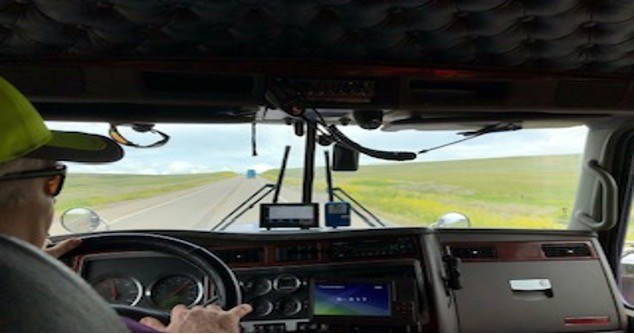
When I first began handling truck cases, I knew that I wanted (and needed) more than just a knowledge of the law to be an effective advocate for my clients. I wanted to understand how these wrecks happened, how they could be prevented, and what decisions led to or even caused the collision in the first place. That desire led me to join a phenomenal organization of other like-minded attorneys at the Academy of Truck Accident Attorneys (“ATAA”). Through the ATAA I have had the opportunity to work with and learn from some of the best trucking attorneys, crash reconstructionist experts, and safety experts in the country.
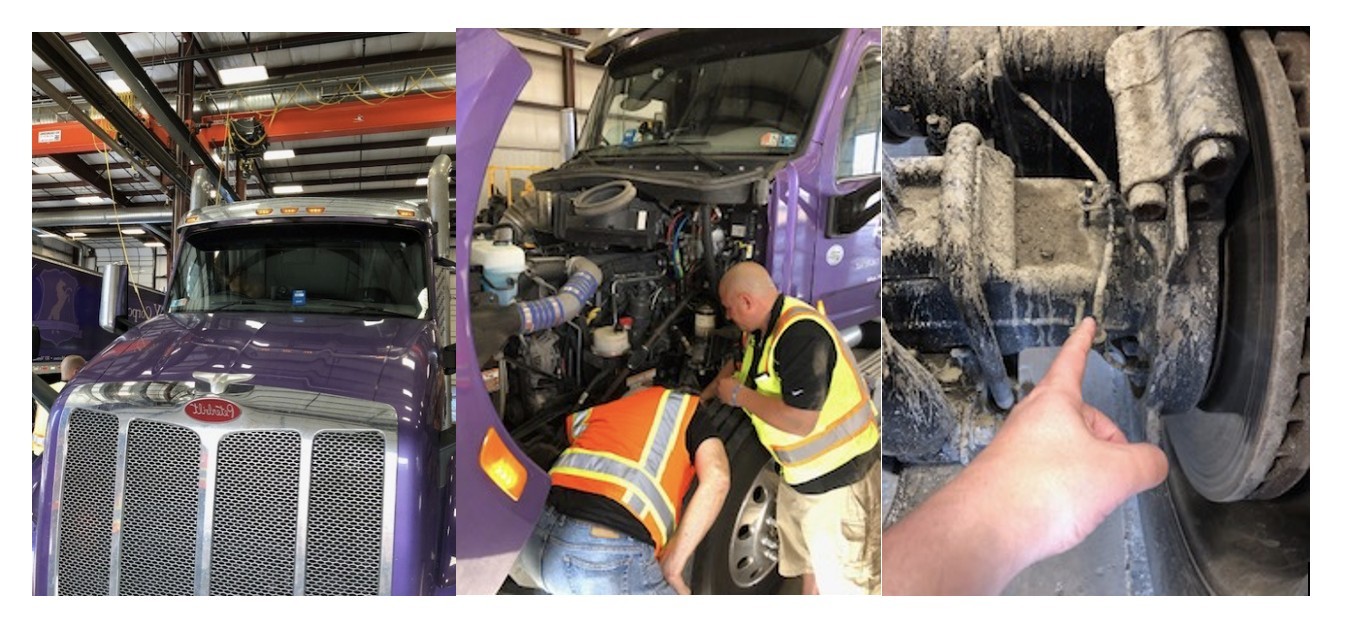
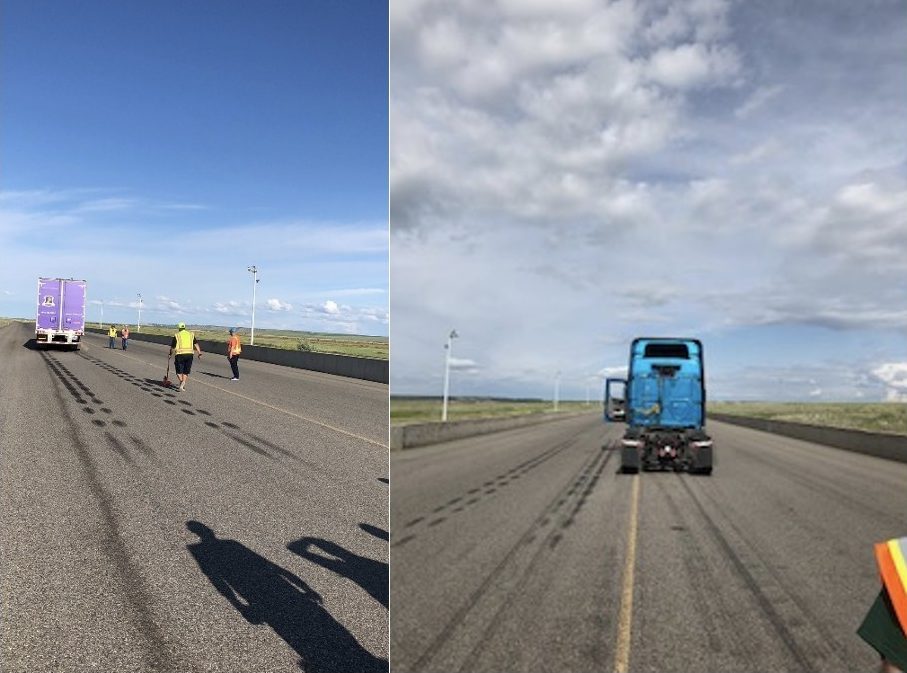
In the summer of 2019, I was blessed with the opportunity to travel to Billings, Montana where I attended the Legacy Trucking Course for Legal Professionals with trucking safety expert Lew Grill. While there, I learned how to inspect, maintain, and operate a tractor-trailer. My classmates and I performed pre-trip inspections, practiced collision avoidance maneuvers, performed “hard stop” brakes with and without a trailer attached, and learned the science behind accident reconstruction from accident reconstruction instructor Mike DiTallo – a faculty member at Northwestern University and founding partner of Dynamic Safety LLC.
As I shared in a blog earlier this year, one of the most transformative experiences from my time in Montana was a nighttime conspicuity (visibility) exercise involving a tractor trailer parked across a roadway. It had never occurred to me that someone wouldn’t see or recognize a tractor trailer parked across a roadway. Yet here I was sitting in the driver’s seat of a pickup truck less than one-hundred yards from a tractor-trailer and, without my high beam headlights on, it was practically invisible.
Another memorable exercise was performing a “hard break” while driving a tractor-trailer at various speeds and measuring the stopping distance. Physically feeling the shudder and skid of a vehicle of that size gives you greater appreciation for how long it takes them to come to a complete stop. It also reinforces the importance of space management and the danger created when tractor-trailers follow the traffic in front of them too closely. Depending on speed, weight, road conditions, and numerous other variables a tractor-trailer’s stopping distance can be sometimes be measured in hundreds of feet. Knowing that was one thing – experiencing it was another.
Even six summers later, I still find myself relying and building on the skills, knowledge, and experience I gained during my time in Montana. The biggest takeaway? Trucks (and the collisions they’re involved in) are different. That may seem like an overly simplistic takeaway but it’s true. The size and weight of the vehicle, the applicable federal and state safety regulations, the industry standards, the crash reconstruction and preventability analysis, all of this, and more, make truck wrecks different.
Most law firms will say they handle truck cases. But if they’re approaching them like car accidents, they’re likely missing critical differences that can make or break your case. If you or someone you love has been hurt in a collision involving a commercial truck, you deserve a legal team that understands the full picture—not just what happened, but why it happened, how it could have been prevented, and how to prove it.
We’re here to help.